What is property?
Property is anything with which one can personally acquire, exclusively control and willingly dispose of.
Overview
Self-sovereignty is the degree to which self-ownership is universally respected in a society.
Complete self-sovereignty means we can live without aggressing and are, therefore, free to live in any peaceful way we choose. This, however, is an individual-focused claim. It does little to inform about how individuals may interact with one another besides the fact that they should not aggress.
Under the Legal Principle, all our interactions with others must not include any acts of aggressing. This affords a negative right to everyone. It can be universally applied.
Freedom, however, does not necessarily mean prosperity. How can we improve our standards of living once we are living without aggressing? Self-ownership, in fact, provides the answer: property.
Why do property rights matter?
If someone steals your money or food, they are physically preventing your control or enjoyment over that money or food.
The one who stole has exercised more control over your property than you.
This is a direct way of engaging in nonconsensual physical force. As such, theft, whether by shoplifting, burglary, or embezzlement, breaks the Legal Principle.
By the same logic, merely preventing one’s control over their property without stealing is also a form of aggressing. As is otherwise interfering with the property, such as damaging the property or otherwise preventing the owner’s control or use of the property.
How does property exist?
While the body is the core of self-ownership, people are also able to peacefully (that is, without aggressing) engage with matter external to their body.
When we recognize someone exclusively controls something external to their body, we are accepting the existence of property. In other words, property is a component of self-ownership, not a separate concept.
By choosing to interact with something external to our bodies on an exclusive basis, we are laying the fundamental elements for property, using our self-ownership. When others refrain from interfering with our exclusive interaction, property is self-evident.
Why does property exist?
When people do not respect someone’s self-ownership in external matter, there is an increased risk of aggressing becoming the norm for human interactions.
As a social institution, property enables people to cooperate as they interact with one another rather than resort to violent conflict. This is all in the context of scarce resources.
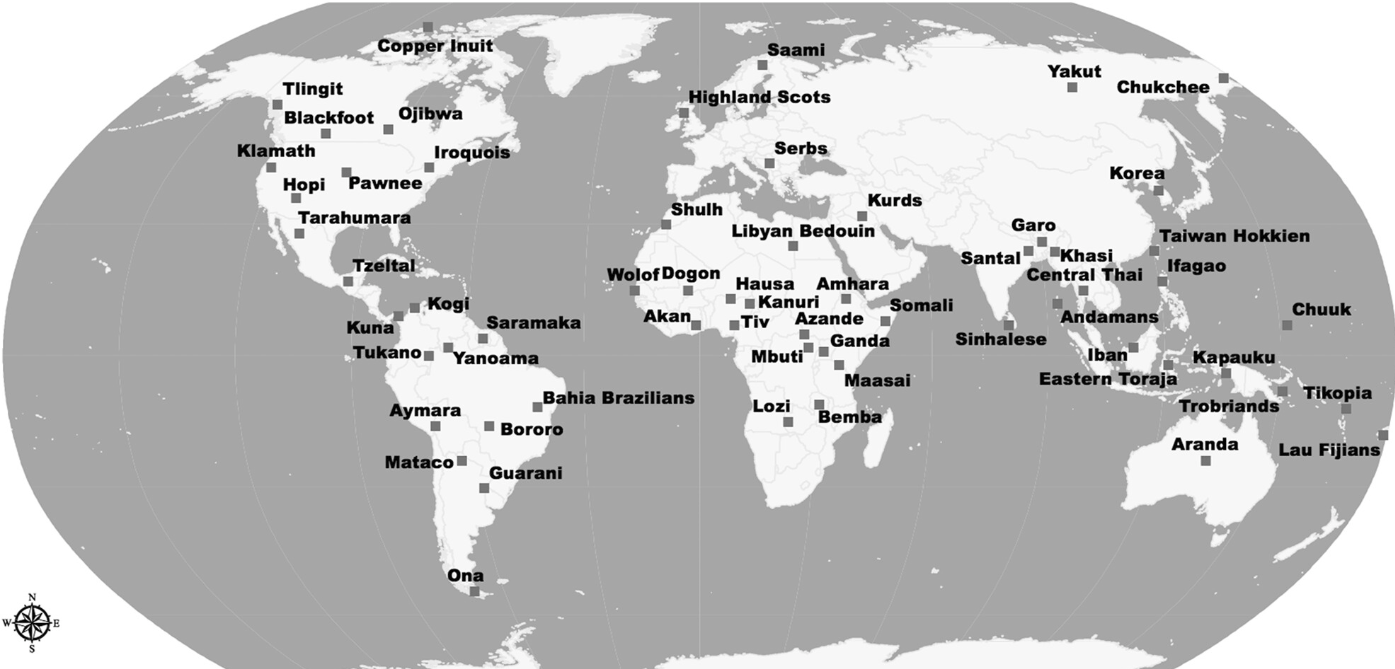
Respecting prior possession (other people’s property) has been found to be considered a moral good in all cultures where it arrises. It is even found in nature.
By reducing the incentive to aggress, respecting one’s exclusive control over matter external to their body allows certainty in how one can use their body. The significance of property, then, is its power to increase standards of living on a phenomenally wide scale.
Theories of property
Positivist jurisprudence argues that property only exists when humans make law which says it exists. This is to say that without positive law, there is no property.
While positive law does in fact determine who has rights to property, and the extent of those rights, property is a social construct, not a legal construct. This is, too, the case with customary law.
In fact, property is consistent with natural law and natural rights theory.
Additional points
If you do not assert an ownership claim over yourself, then you cannot complain when others take control of your life. There cannot be any freedom without self-ownership.
Our property is that which we legally own. It includes one’s body and peacefully acquired possessions, like money, real estate, and personal items.
Whether intangible items or concepts like information are considered property is a gray area on which reasonable minds disagree.
“Property is important because it represents a solution to the tragedy of the commons; to the extent that an individual exerts long-term control of its property, it can use it prudently, and even invest in it. Resources most worth privatizing are often high in value.” Privatization and property in biology
Cultures that ‘respect prior possession’
A study found that property rights, specifically ‘respect for prior possession’, are a feature of all 60 of the cultures studied - a map of which is shown here: